


-
 Drought, nor’easters, and chipmunks are one thing, but bishop’s weed is a Cape Cod garden foe that keeps coming back no matter how much gets pulled. With the fall garden in full color, the essayist weighs containment against surrender and finds some beauty in the standoff.
-
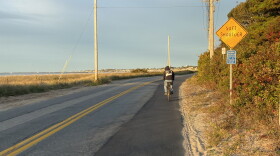 In a twinkle-lit pizza place in Provincetown, the regulars argue over measurements, trade facts about the side streets, and remember the houses that once stood there. One man’s claim of a “working knowledge” of the town becomes a meditation on the seasonal workers who keep the Cape running.
-
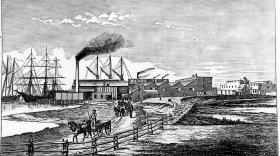 Dennis shipbuilders with empty clippers heading home from China found a shocking cargo: bird dung from the Pacific. The Pacific Guano Company turned Woods Hole into a stinking industrial powerhouse, and then it vanished, replaced by the gated mansions of Penzance Point.
-
 Born blind in Hyannis and raised in Harwich, Paul Pena went from Perkins School for the Blind to the San Francisco blues scene, where Steve Miller turned his "Jet Airliner" into a hit. A shortwave radio broadcast from Moscow then led him to teach himself Tuvan throat singing and earn an Academy Award-nominated documentary.
-
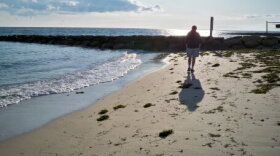 A childhood of six houses in four states left one writer craving the continuity other kids took for granted. Only after retiring to Dennis Port did he see that the Cape summers of his youth had been his home all along.
-
 I stopped by the other day to see my old friend Annie. Annie lives in a modest beach cottage which is fetchingly named “Off Plumb." I don’t know how old the cottage is, but its flooring is made of sections of an old bowling alley.
-
 A swim alone off Surfside on the Tuesday after Labor Day becomes the starting point for a meditation on scale: how a tiny island and an endless ocean can hold the same feeling as a highway through the desert. The season is turning, and this essay sits in that turn a while before letting it go.
-
 Twice a week, the Family Table Collaborative's donated food truck pulls into Cape Cod parking lots, offering meals to anyone who shows up, no questions asked. What began as a pandemic stopgap has grown into a weekly lifeline serving up to 700 people, built almost entirely on volunteer labor and local generosity.
-
 New fishing restrictions on Nantucket extend protections for great white sharks that began on Cape Cod Bay and the Outer Cape. Tom Moroney connects those rules to the lasting damage Jaws did to the species' reputation, and to his own past coverage of a now-defunct shark tournament on the Vineyard.
-
 A tiny, weathered gravestone in Sandwich's Old Burial Ground may be the oldest on Cape Cod, but its inscription was deliberately chiseled away centuries ago. Gravestone historian Steve Broker explains the competing theories, from anti-Quaker sentiment to Puritan objections over sacred imagery.
-
 On Nantucket, the height of summer means being outnumbered by tourists two to one. A meditation on Augustitus, the exhaustion and thrill of a place at its busiest, borrowed from a phrase coined nearly a century ago.
-
 A pizza order gone slightly sideways sends Tom Moroney down a rabbit hole of restaurant surcharges, tip-shaming, and the economics behind why your cheeseburger costs what it costs.

© 2026

Local NPR for the Cape, Coast & Islands 90.1 91.1 94.3
Play Live Radio
Next Up:
0:00
0:00
Available On Air Stations


